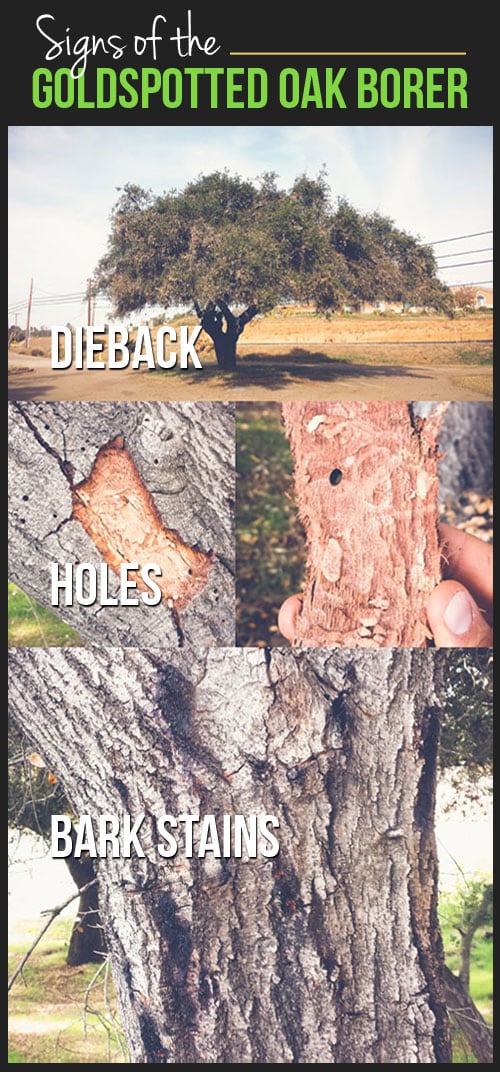
When it involves evaluating a tree's security, you require to be watchful. Seek deep splits in the trunk or big subjected origins; these can signal architectural issues. Blemished fallen leaves or oozing sap might suggest disease. And if you detect openings in the bark or sawdust below, insects could be hiding. Understanding these indications is vital, yet just how do you decide when it's time to do something about it? Let's explore the information.
Indicators of Structural Damages
When you evaluate a tree, look for indications of architectural damage that could indicate it's a risk.
Check for fractures or divides in the trunk, specifically if they expand deep right into the timber. Take notice of huge, discovered origins, as they might reveal instability. If the tree leans considerably to one side, it may not be secured correctly.
You should additionally keep in mind any huge branches that are dead or hanging precariously, as they can fall suddenly. Seek fungal development at the base, which can compromise the framework.
Furthermore, evaluate for any visible dental caries or holes in the trunk, which can compromise its honesty. Determining these issues early can assist stop accidents and maintain you and others safe.
Indicators of Condition and Decay
Acknowledging indications of illness and degeneration in a tree is crucial for preserving safety and security and health and wellness in your landscape.
Search for stained or wilting leaves, as these can suggest stress or health problem. Look for uncommon growths like mushrooms or fungi at the base or on the trunk; these usually signal decay.
https://besttruckingcompanytowork22099.getblogs.net/73451468/get-set-for-a-thorough-testimonial-and-a-secure-elimination-procedure-yet-what-considerable-actions-should-be-taken-after-the-tree-is-down or splits in the bark can indicate interior damage and condition. In addition, if you observe a substantial amount of sap exuding from the tree, it may suggest infection.
Inspect the trunk for soft spots or locations that feel squishy; this recommends rot. If you observe any of these signs, it's smart to consult an arborist to evaluate the tree's condition prior to it presents a risk.
Existence of Bugs and Problems
Pests and infestations can seriously intimidate a tree's health and stability. If you observe indications like openings in the bark, sawdust on the ground, or sticky deposit, it's time to explore additionally.
You may identify pests such as bark beetles, aphids, or caterpillars. These parasites can weaken the tree, making it much more susceptible to illness and decay.
Don't neglect the existence of internet or nests either, as they show problems that can spread promptly. Look for any unusual growths or staining in the fallen leaves, which can indicate distress.
If you suspect a serious problem, get in touch with a professional arborist. Taking action quickly can conserve your tree and stop prospective hazards to your property or close-by frameworks.
Final thought
If you notice deep cracks, huge revealed roots, or a considerable lean, your tree could be a threat. Watch out for stained https://www.tennessean.com/story/weather/2020/05/03/nashville-weather-strong-storms-middle-tennessee-sunday-afternoon/3075097001/ , oozing sap, or soft spots, as these can show disease. In addition, look for insect signs like holes in the bark or sawdust on the ground. If you identify any one of these concerns, do not think twice to call an arborist. Doing something about it currently can help prevent crashes and protect your home.